Fire Safety for Critical Infrastructure (KRITIS)
Critical infrastructure (KRITIS) forms the basis for the functioning of the economy, the state and society.
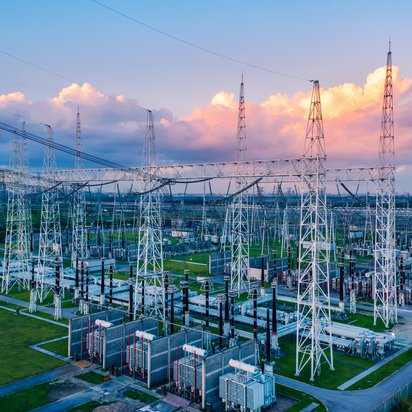
Critical infrastructure (KRITIS) forms the basis for the functioning of the economy, the state and society.
Critical infrastructure includes, amongst other things, energy supply facilities, industrial facilities, water management facilities, and transport and communications infrastructure. The protection of these facilities is becoming increasingly important due to new regulatory requirements.
Under the draft KRITIS Framework Act (KRITISDachG), the legislator requires operators of critical facilities to systematically assess their physical resilience and to implement appropriate technical, organisational and security-related measures. The aim is to maintain operational capability, or to restore it quickly, even in the event of disruptions, failures or threats.
DMT supports you in carrying out risk analyses and risk assessments, as well as in developing resilience plans in accordance with the requirements of the KRITIS Framework Act. In doing so, we identify fire safety-related risks, assess their impact on facility operations and develop appropriate protective measures.
Based on the statutory requirements, the results of your risk analysis and your resilience plan, we develop bespoke fire safety concepts.
Our services include, amongst other things:
In doing so, we take into account both building regulations and the specific operational and safety requirements of critical facilities.
Right from the detailed planning and construction stages, our experts oversee the implementation of the planned fire safety measures.
We check that relevant fire safety equipment is fitted and installed correctly and ensure that applicable regulations and the requirements of the fire safety plan are met. In this way, we lay the foundations for the project to run smoothly and support long-term operational and investment security.
Our fire safety officers support operators in the ongoing implementation and development of their fire safety management systems.
Our services include:
Structured emergency and risk management planning supports the ability to respond effectively in the event of an incident and contributes to the resilience of critical infrastructure.
We draw up:
All documents are tailored to the specific requirements of your facility and facilitate efficient cooperation with the fire service, emergency services and authorities.
DMT is part of the TÜV NORD GROUP, where you can have fire safety tests carried out on components, building materials and system solutions.
These tests provide evidence of the performance and safety of the products used and support the planning and implementation of fire safety measures in accordance with standards.
Click here to view the TÜV NORD GROUP’s fire safety testing services in the following areas:
Sales Team
+49 231 5333-430
IND7-VID@dmt-group.com
Yes, because the draft bill calls for a so-called ‘all-hazards’ approach, which covers all types of risk. In addition to natural disasters and sabotage, this also includes fires and arson attacks.
The draft bill does not prescribe rigid measures, but requires operators to implement appropriate and proportionate protective measures based on their own risk analyses. Examples include:
These measures must be adapted to the individual risk profile (e.g. size of the premises, number of people, specific risks).
No, they complement each other. The overarching legislation requires a supplementary assessment of resilience in addition to existing building regulations. Technical fire safety standards, such as those set out in state building regulations, form part of the overall measures.
Operators bear primary responsibility and must take all hazards into account, including fires.
The draft KRITISDachG sets out the framework. Sector-specific standards – for example, from the energy sector – set out specific requirements (e.g. fire safety in machine rooms and boiler houses, VGB-R 108). These standards are established in regulations and through official guidelines.
Significant physical incidents, such as fires affecting critical services, must be reported to the joint portal operated by the BBK and the BSI. The aim is to obtain an overview of the resilience of national and EU-wide KRITIS systems.