Demolition plans
Dismantling buildings and facilities safely, cost-effectively and in a way that conserves resources
Request advice on your decommissioning plan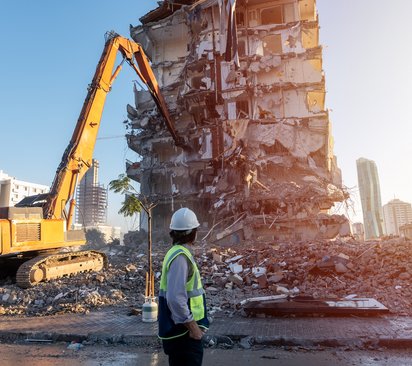
Dismantling buildings and facilities safely, cost-effectively and in a way that conserves resources
Request advice on your decommissioning planBy identifying pollutants, material flows and recycling routes at an early stage, we lay the foundations for cost and schedule planning, authorisation procedures and safe, compliant implementation.
The demolition of buildings, technical installations and industrial sites requires careful planning. Hazardous substances, complex building structures, different types of materials, health and safety requirements and disposal routes must be identified and assessed at an early stage. This is the only way to minimise risks, exploit recycling potential and implement projects efficiently.
We support clients from the initial assessment and hazardous substance survey, through the development of demolition and waste disposal concepts, right through to providing technical support during implementation. In doing so, we combine environmental engineering, hazardous substance management, contaminated site management and project management into an integrated solution.
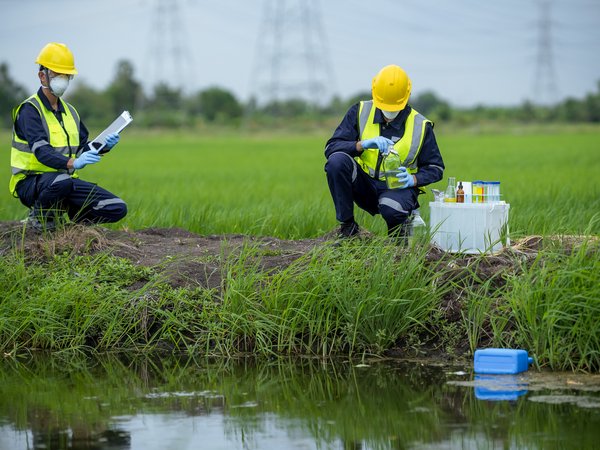
We survey buildings, facilities and technical installations, and assess potential contamination and the resulting risks.
Based on the assessment of the existing structure and hazardous substances, we develop site-specific plans for demolition, material separation, recycling and disposal.
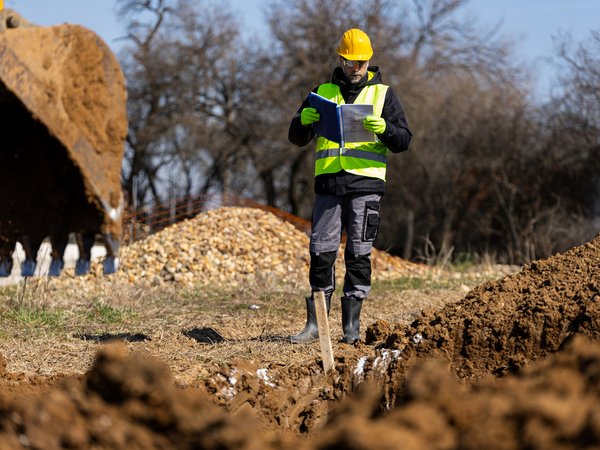
We support clients during the preparation and implementation of demolition and refurbishment works.
An important part of modern demolition projects is the assessment of the potential for reuse, recycling and recovery.
With DMT, you benefit from:
Talk to our experts about your requirements. We can support you every step of the way, from identifying hazardous substances and planning the demolition to providing technical support during the implementation phase.
A decommissioning plan sets out the technical, organisational and environmental procedures for the dismantling of a building, a facility or a site.
The demolition plan sets out how buildings or installations are to be dismantled. The waste management plan governs the sorting, recycling and disposal of the materials and waste generated in the process.
Ideally, before decommissioning planning begins. The results form the basis for appropriate protective measures, safe working procedures and the selection of the correct disposal routes.
In selective demolition, pollutants, structural elements and materials are removed separately. This makes it easier to recycle reusable materials and reduces disposal costs.
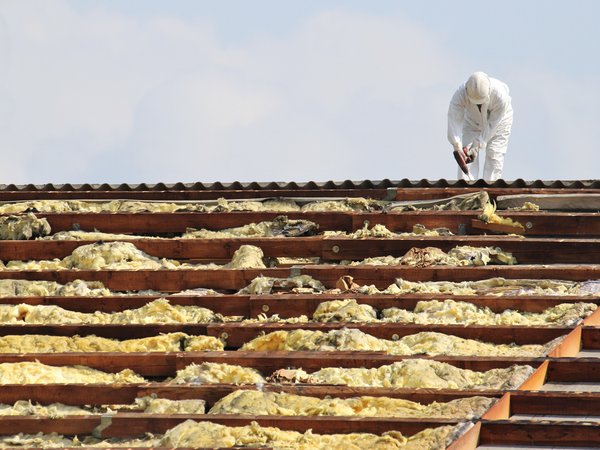
Depending on the year of construction and the building’s use, substances such as asbestos, man-made mineral fibres, PCBs, PAHs or contaminated building materials may be present. A survey of hazardous substances is carried out to determine which substances are relevant.
By reusing and recycling suitable materials, resources can be conserved, waste volumes reduced and sustainability targets supported.
Demolition plans are suitable for industrial plants, commercial properties, business premises, technical facilities, infrastructure projects, and residential and administrative buildings.
Yes. We support clients throughout the entire process, from planning, through tendering and contract award, to the technical supervision and documentation of the works.