Soil Science Supervision of Construction Works (BBB)
Soil science supervision during construction in accordance with DIN 19639
Request a consultation on soil science support during construction now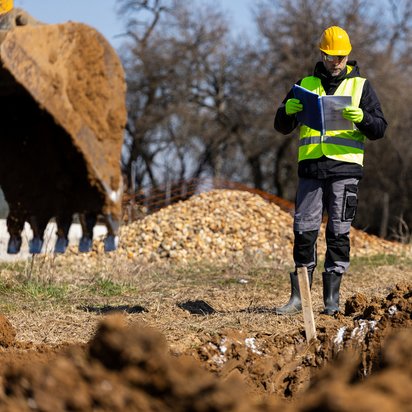
Soil science supervision during construction in accordance with DIN 19639
Request a consultation on soil science support during construction nowSoil science-based construction supervision (BBB) ensures that construction projects are planned and carried out whilst taking soil functions into account. The aim is to prevent harmful changes to the soil, minimise soil compaction and ensure the prudent use of soil as a resource.
DMT supports clients throughout all project phases with a holistic soil protection management approach. This is based on the requirements of DIN 19639 ‘Soil protection in the planning and execution of construction projects’ and DIN 18915 ‘Vegetation technology in landscaping – soil works’.
Soils fulfil key functions in relation to the water cycle, vegetation, climate and resource conservation. Construction processes can impair these functions, for example through compaction, soil erosion or soil sealing.
We develop a project-specific soil protection plan as early as the planning phase. This sets out all the necessary measures to prevent and minimise damage to the soil.

Uwe Vogt
Environmental Engineering
+49 15116830939
Let’s discuss the right approach to your project. I look forward to hearing from you.
The soil protection concept is supplemented by a soil protection plan. This plan sets out all measures relevant to soil protection on a map and ensures transparency for all those involved in the project.
During the construction phase, our experts monitor the implementation of the agreed measures and assist all parties involved with any soil protection-related issues.
Once the construction work has been completed, we document all the soil protection measures that have been implemented, as well as their effectiveness. This documentation serves as evidence for the authorities, clients and other stakeholders.
Where necessary, we also oversee land restoration measures to restore impaired soil functions.
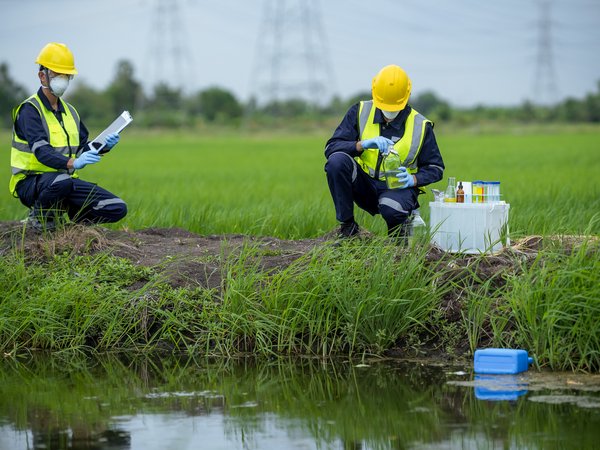
To determine the initial soil conditions, we investigate the site-specific soil conditions in accordance with the requirements of DIN 19639.
In doing so, we record, amongst other things:
In addition, soil samples are taken for laboratory analysis.
Depending on site conditions, we carry out further investigations, such as:
The results form the basis for assessing susceptibility to compaction and planning appropriate protective measures.
Based on the results of the investigation, we draw up the soil protection strategy, including the soil protection plan.
Where required, we also provide clients with technical support and advice during the tendering phase.
Throughout the implementation phase, we provide ongoing support for the construction project and check that all agreed measures are being followed.
By combining soil science expertise, planning in accordance with standards and project support based on partnership, we lay the foundations for the responsible management of soil as a resource and for sustainable value creation throughout the entire project lifecycle.
Please get in touch with our environmental engineering experts.
Soil science support during construction assists with the planning and implementation of construction projects with the aim of protecting soil functions, preventing soil compaction and complying with the requirements of DIN 19639.
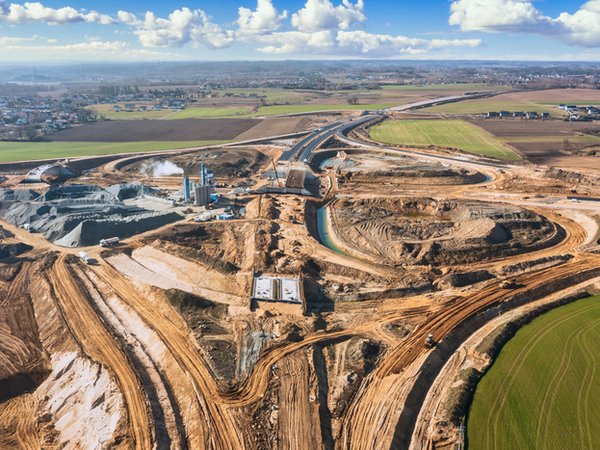
A soil protection plan is particularly necessary for construction projects where the soil may be adversely affected by vehicle traffic, excavation, soil storage or soil sealing.
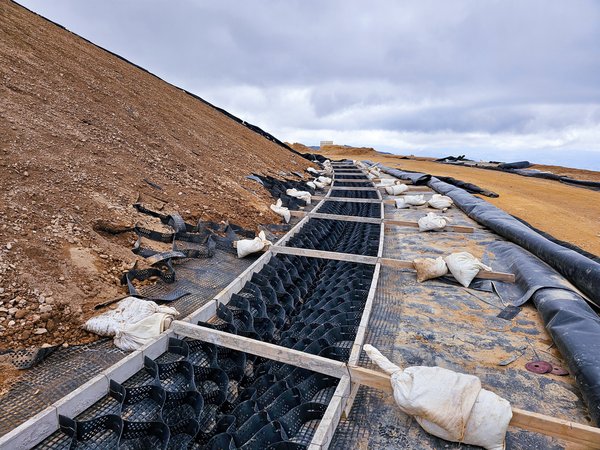
The concept includes an assessment of the affected soils, an analysis of potential impacts, and specific measures for prevention, mitigation and, where necessary, land restoration, including a soil protection plan.
It reduces the risks associated with soil compaction, helps ensure compliance with legal requirements, improves planning certainty and contributes to sustainable resource management.
The relevant standards are DIN 19639 ‘Soil protection in the planning and execution of construction projects’ and DIN 18915 ‘Vegetation technology in landscaping – groundworks’.