Land-use recycling for industrial sites
Developing contaminated sites safely and reusing them economically
Request advice on land recycling
Developing contaminated sites safely and reusing them economically
Request advice on land recyclingDMT supports companies, investors, project developers and public sector clients in the regeneration of industrial and commercial sites. We assess contaminated sites, soil and groundwater conditions, and develop remediation strategies that provide a sound basis for your investment, planning permission and development decisions.
Former industrial and commercial sites offer valuable potential for new uses. At the same time, contaminated sites, complex ground conditions, the presence of pollutants and regulatory requirements place high demands on planning and development. An early site assessment provides clarity regarding risks, costs and development opportunities.
We support the regeneration of contaminated or derelict sites from the initial site analysis right through to the implementation of remediation and development measures. In doing so, we combine environmental engineering, hydrogeology, geotechnical engineering and contaminated site management to take a holistic view of technical, regulatory and economic requirements.
A site’s history of use often has a significant influence on its subsequent development. Former industrial, energy or commercial sites may contain contaminants in the soil or groundwater. In addition, there are geological, hydrogeological and structural conditions that can have an impact on construction projects, planning permissions and investments.
Digital data analysis, GIS-based assessments and structured documentation systems provide a transparent basis for decision-making throughout the entire course of the project.
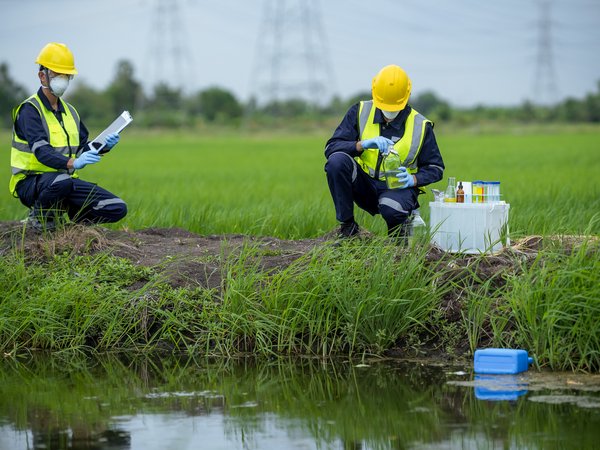
We analyse a site’s usage history and assess potential contamination of the soil, groundwater and structures.
We investigate the geological and hydrogeological site conditions and assess their impact on the planned use.
Based on the findings of our investigations, we develop economically viable and approvable concepts for the regeneration of contaminated sites.
We support clients in implementing refurbishment and development projects and ensure that projects are managed in a structured manner.
We support you with site assessments, contaminated site management, remediation planning and the development of sustainable land-use concepts, and provide:
• Transparency regarding contaminated sites, ground conditions and groundwater conditions
• A basis for investment and development decisions
• early identification of risks and areas requiring action
• site-specific remediation and utilisation concepts
• efficient approval processes
• coordinated technical support throughout the entire project
Site remediation refers to the investigation, assessment and, where necessary, remediation of sites formerly used for industrial or commercial purposes, with a view to putting them to new use in a safe and cost-effective manner.
In particular, when purchasing land, changing the use of a property, undertaking demolition projects, or where previous uses suggest that the soil or groundwater may be contaminated.
Depending on the project, we analyse the site’s usage history, contaminated sites, soil and groundwater conditions, ground conditions, existing facilities and the regulatory framework relevant to planning permission.
It creates opportunities for development on sites that are already in use, reduces the need for additional land and enables sustainable site development.
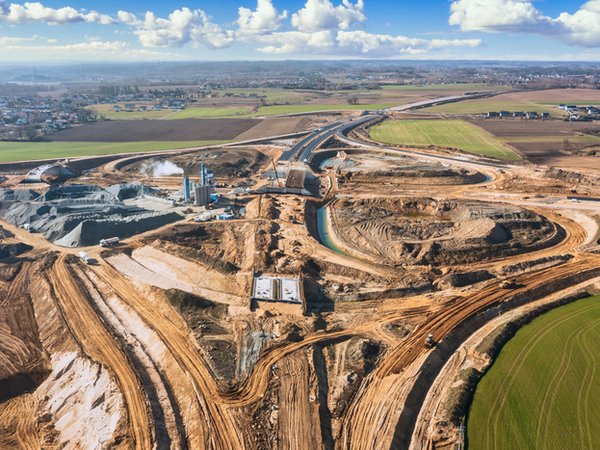
Brownfield development refers to the development and reuse of land formerly used for industrial or commercial purposes, which often presents particular challenges in terms of contaminated sites or site conditions.
Groundwater conditions influence the assessment of potential contaminant spread, remediation measures, construction projects and planning permission requirements.
Not necessarily. Through appropriate investigations, risk assessments and remediation measures, many sites can be developed further safely and cost-effectively.
We support the planning permission process by carrying out site assessments, preparing expert reports, conducting surveys, providing supporting documentation and liaising with the relevant authorities.