Environmental Due Diligence (EDD)
Environmental due diligence for M&A transactions, property acquisitions and portfolio valuations
Request advice on environmental due diligence
Environmental due diligence for M&A transactions, property acquisitions and portfolio valuations
Request advice on environmental due diligenceEnvironmental due diligence is the systematic assessment of environmental risks associated with a site, company or property portfolio. It provides transparency regarding potential contaminated sites, environmental obligations and possible liability and consequential costs, thereby forming the basis for investment and transaction decisions.
DMT supports companies, investors, financial institutions and project developers, both nationally and internationally, with environmental due diligence assessments in the context of mergers and acquisitions (M&A), property acquisitions and portfolio valuations. Our interdisciplinary team of experts combines technical, environmental legal and economic expertise to identify and assess risks at an early stage and to classify them according to their financial implications.
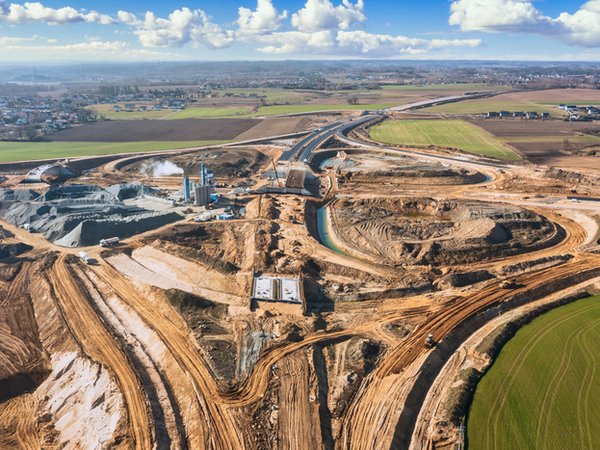
We analyse site documentation, planning permissions, historical land use and information from the relevant authorities in order to identify potential environmental and compliance risks at an early stage. In doing so, we assess site-specific contamination and any potential impact on the transaction value.
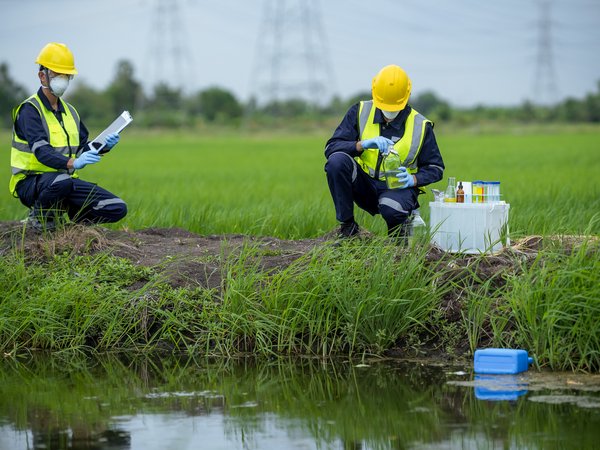
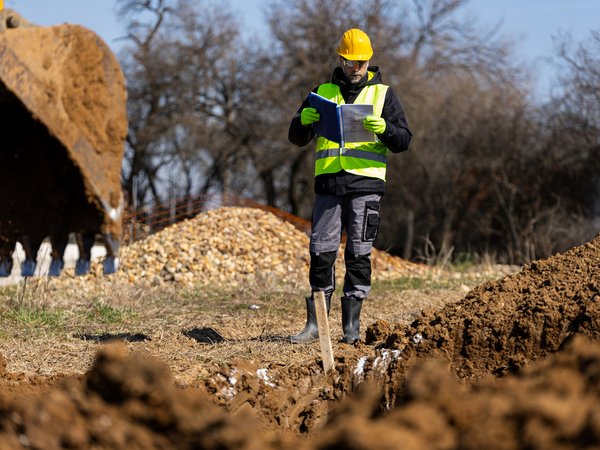
Our experts carry out on-site inspections and identify evidence of soil and groundwater contamination, as well as other environmental risks. The findings form the basis for a robust technical and economic assessment.
In addition to analysing soil and groundwater, we assess the contamination status of existing buildings. In doing so, we examine, amongst other things, potential contamination from pollutants that pose a risk to health or the environment, in order to provide a clear picture of the risks associated with building use, demolition, remediation and investment planning.
We review environmental legal obligations, regulatory requirements, licensing status and potential remediation requirements. In addition, we take into account relevant environmental, social and governance (ESG) aspects, which are becoming increasingly important in international transactions, financing and investment decisions.
Our environmental due diligence reports are clearly structured, transparent and decision-oriented. In addition to the technical assessment, they include an evaluation of potential costs, provision requirements and potential risks.
Environmental due diligence is the systematic examination and assessment of environmental risks associated with a site, company or property portfolio. The aim is to identify potential liability, remediation and cost risks at an early stage.
Typical applications include corporate takeovers (M&A), property acquisitions, project developments, refinancing and the valuation of site and property portfolios.
The assessment covers, amongst other things, contaminated sites, soil and groundwater contamination, buildings contaminated with hazardous substances, environmental compliance risks, regulatory requirements and potential remediation needs.
It provides clarity on potential environmental and liability risks and supports informed decision-making during purchase price negotiations, contract drafting and investment planning.
The results are documented in a structured report. This includes an assessment of the identified risks, as well as an analysis of potential costs, provisions and options for action regarding the subsequent transaction or investment.