Growth and innovation for the low-carbon industry
Combining climate action, decarbonisation and economic development

Combining climate action, decarbonisation and economic development
Although avoiding new CO₂ emissions remains the top priority, carbon remains an important component of modern industrial and value chains. In energy-intensive industries in particular, certain emissions cannot be completely avoided, even in the long term. This is where carbon management opens up new avenues for capturing, utilising or permanently storing unavoidable CO₂ emissions, thereby making a significant contribution to climate protection.
Carbon management is becoming increasingly important from a strategic perspective for businesses. Through the targeted use of modern technologies such as Carbon Capture and Storage (CCS) and Carbon Capture, Utilisation and Storage (CCUS), industrial processes can be made fit for the future and regulatory requirements can be addressed at an early stage. At the same time, this creates opportunities for innovation, sustainable value creation and the development of new business models within a climate-neutral carbon economy. However, successful implementation requires an early strategic focus.
DMT supports companies and regions that are already creating the necessary framework conditions today and integrating carbon management into their transformation strategy, thereby strengthening their competitiveness and making a measurable contribution to the decarbonisation of the energy sector and energy-intensive industries.
Dr Thomas Kattenstein
Managing Consultant, DMT ENERGY ENGINEERS
+49 171 3319026
Let’s discuss your carbon management project. Together, we will develop the right strategy for regions as well as carbon-free processes and technologies within your organisation.

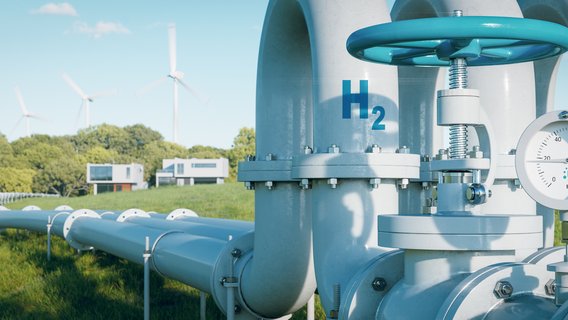
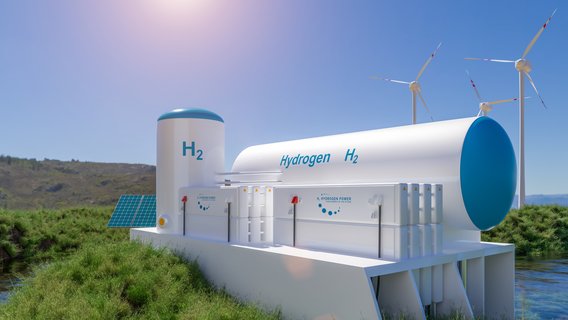
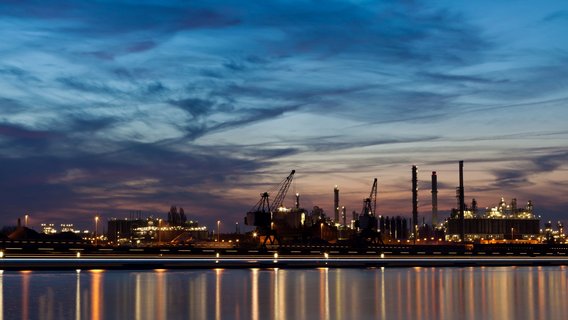

Even though the first step should always be to avoid CO₂ emissions through optimised processes, renewable energy and hydrogen, we are talking here about a significant proportion of unavoidable CO₂ emissions in Germany. Ten per cent, or 50 million tonnes annually – for example, from waste incineration and the production of lime and cement – are considered unavoidable. This is offset by a growing demand for CO₂ as a raw material for synthetic fuels and chemicals. From the aforementioned 50 million tonnes of CO₂, for example, around 10 million tonnes of synthetic kerosene could be produced, which roughly corresponds to Germany’s annual demand. Carbon management therefore links CO₂ sources and sinks. This is a synergy that we must harness in order to take a real step forward in the defossilisation of industry and achieve the goal of climate neutrality. The key technologies are already in place: CO₂ capture, utilisation or storage.
Many industrial processes also generate CO₂ emissions that are unavoidable in the long term. Carbon management enables companies to tackle these emissions in a targeted manner and achieve their climate targets.
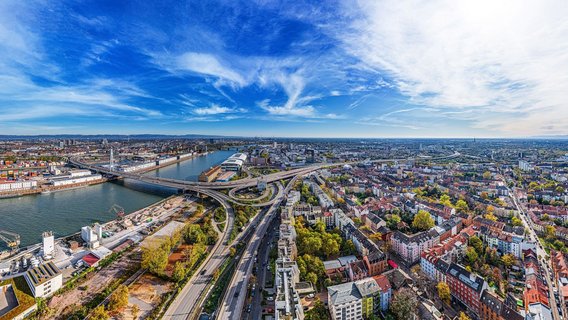
In Germany, a carbon economy is increasingly taking shape, and with it a necessary dialogue on infrastructure, continued use and business models. Relevant framework conditions – and thus scope for action – have been established. Cities, districts and regions should play an active role in shaping this dialogue at an early stage and proactively take charge of their own strategic direction on carbon management, for example through a regional strategy. This will strengthen the potential for innovation and growth among local businesses, as well as expertise in plant and infrastructure construction.
Carbon management reduces unavoidable CO₂ emissions and complements measures relating to energy efficiency, electrification and the use of renewable energy. This accelerates the transition to a climate-neutral economy.