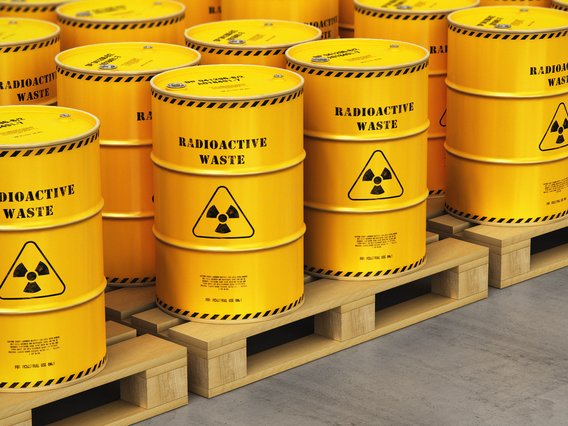
The retrieval of radioactive waste requires precise planning, integrated safety concepts and reliable technical implementation throughout all phases of the project.
Discuss the project to repatriate radioactive waste now
The retrieval of radioactive waste is a complex technical and safety-related task. It requires careful planning, robust safety concepts and the coordinated involvement of various specialist disciplines. There can be a variety of reasons for retrieval, such as the repurposing or decommissioning of a facility, transfer to a final repository, or regulatory requirements.
DMT supports projects involving the retrieval of radioactive waste throughout all relevant planning phases. Our range of services extends from the initial feasibility study, through conceptual, design and regulatory approval planning, to detailed implementation planning and commissioning. In doing so, we combine technical expertise with a structured approach to safety, radiation protection, regulatory compliance, and time and cost frameworks.
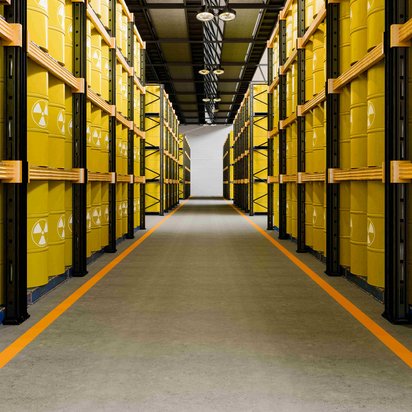

A well-founded decommissioning process begins with a careful assessment of the site-specific conditions. DMT analyses the technical, geological, operational and safety-related requirements in order to establish a sound basis for further planning.

The retrieval of radioactive waste requires coordinated strategies for securing, recovery and transport. We develop concepts tailored to the specific mine site, the type of waste and the planned procedural steps.

The technical design of plant, systems and components is a key component of any repatriation project. DMT provides support in planning the necessary technical infrastructure to ensure safe and efficient operations.

Safety and radiation protection requirements must be incorporated into the planning process at an early stage and in a systematic manner. DMT integrates these aspects into all project phases and provides support in assessing potential accident scenarios.

Complex repatriation projects require a robust basis for planning deadlines, resources and costs. In addition, testing measures are important for validating technical concepts under realistic conditions.

Nikolai Hentrich
Nuclear Engineering
+49 160 888 4647

Retrieval may become necessary for various reasons, such as the change of use or closure of a facility, changes in regulatory requirements, or in connection with a subsequent transfer to a final repository. The site-specific technical and legal framework is decisive.
DMT supports repatriation projects from the feasibility study through to the conceptual, design and planning stages (including obtaining planning permission), right through to detailed design, testing and commissioning. This ensures consistent technical support throughout the entire project lifecycle.
Key aspects include radiation protection, rescue safety, fire and explosion protection, transport and container concepts, and the assessment of potential incidents. These requirements must be incorporated into the technical and organisational planning at an early stage.