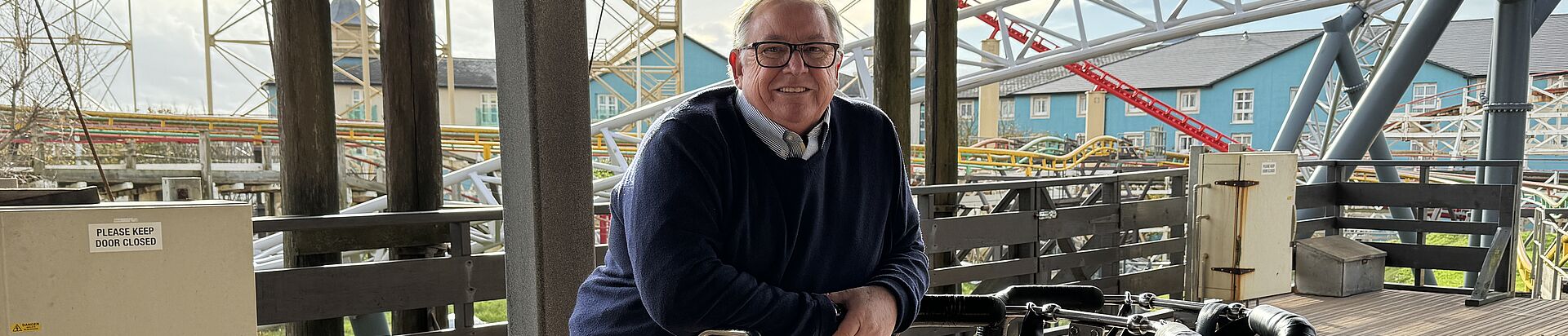
Interview with David Bromilow, internationally recognized safety and maintenance expert at Mobaro.
David, let’s start with a fundamental question. How are amusement parks typically handling ride data today?
David Bromilow (DB): It’s a good place to begin because many parks are already sitting on a goldmine of data. They just don’t fully use it. Every ride cycle generates valuable information, but the real question is how that data is retrieved, managed, and applied. In many cases, the process isn’t as effective, accurate, or efficient as it could be. And ultimately, that has implications for safety and performance.
So the data already exists and it just has to be put into use?
DB: Exactly. The opportunity is about capturing what’s already there, understanding it, and putting it to work. When you integrate that data into a broader maintenance strategy, it becomes a powerful tool.
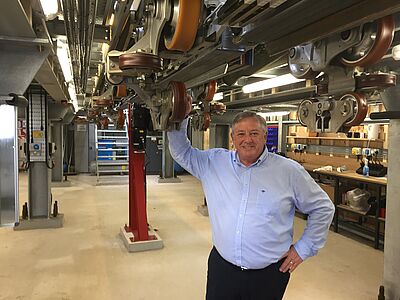
How does this connect to the shift from preventive to predictive maintenance?
DB: Traditional maintenance has relied heavily on preventive approaches like scheduled inspections, routine replacements, time-based interventions. Those methods have served the industry well, but they’re not perfect. They can lead to unnecessary part replacements or, conversely, unexpected failures and downtime.
Predictive maintenance adds a smarter layer. By analyzing real-time performance data, teams can forecast issues before they happen. That allows for planned interventions within operational windows and reduces the reliance on the old “replace it just in case” mindset. It also strengthens existing inspection programs rather than replacing them.
What kind of insights can teams gain from an AI improved monitoring system like RideGuard?
DB: With today’s sensor technology, teams can monitor critical parameters continuously: things like acceleration, vibration, temperature, pressure, and speed. The key advantage is detecting subtle changes in performance that signal wear, fatigue, or potential failure. And you can do all of this remotely, without needing to be physically present at the ride.
That sounds like a major operational shift. How does it change day-to-day maintenance?
DB: Traditionally, once a ride is handed over to operations after morning checks, maintenance teams have limited visibility unless something goes wrong. It’s a reactive model, and it often puts teams on the back foot.
With smart sensor systems like RideGuard integrated into the Mobaro maintenance platform, you stay connected throughout the entire operating day. Sensors act as the “eyes and ears” of the maintenance team, providing live updates, automated alerts, and even generating work orders. That continuous feedback loop transforms maintenance into a proactive process.
Safety is always a top priority in this industry. How does predictive maintenance support that?
DB: Safety is absolutely central. Predictive maintenance isn’t just about efficiency, it’s about protecting people. By reducing the need for technicians to enter restricted or hazardous areas for manual readings, you significantly lower risk exposure.
Instead of interacting directly with large, unguarded machinery during operations, teams can access accurate data remotely. One experienced technician told me that going back into a ride enclosure during operation just to take a reading is becoming a thing of the past. And that’s a positive development for everyone involved.
What does “working smarter and safer” look like in practice?
DB: It’s about combining real-time data, intelligent analysis, and integrated workflows. When you do that, you can anticipate failures before they occur, optimise maintenance schedules, reduce downtime, and make better operational decisions overall. At the same time, you’re improving both team and guest safety.
Finally, what message would you give to operators who haven’t yet embraced predictive maintenance?
DB: The data is already at your fingertips. The real question is whether you’re using it to its full potential. Predictive maintenance represents a fundamental shift from reactive firefighting to proactive optimisation. Parks that embrace it will not only improve efficiency but also elevate their safety standards and overall operational excellence.