22. Juli 2025

Brazil is widely recognized for its mineral diversity, and among the treasures that emerge from the nation’s subsoil, gemstones hold a prominent place. The history of Brazilian gemstones is intertwined with the country’s economic development, drives production chains that generate billions of reais annually, and maintains a deep connection with culture, art, and national identity. In this article, we explore the historical, economic, and symbolic significance of Brazilian gemstones, their role on the global stage, and the challenges facing this industry—one that is as valuable as it is complex.
Brazil’s history in the world of gemstones began as early as the colonial period, with the discovery of emeralds, topazes, and especially diamonds in Minas Gerais during the 18th century. These discoveries marked the beginning of an economic cycle that was crucial for the Portuguese crown and for the consolidation of mining activity in the country. Cities such as Diamantina and Ouro Preto prospered thanks to the extraction of these riches.
Over the centuries, new deposits were discovered in different regions of the country, such as in the state of Bahia—known for its Paraíba tourmalines and amethysts—and in Rio Grande do Sul, where significant agate reserves were found.
Brazil is currently one of the world’s largest producers of gemstones. Among the main stones mined in Brazil are:
This diversity of gemstones is directly related to the geological complexity of the territory, which provides unique conditions for the formation of these stones over millions of years.

The Brazilian gemstone industry is organized around a production chain that ranges from artisanal mining to cutting, jewelry design, export, and retail. The chain is decentralized, with a large number of micro and small businesses, cooperatives, and small-scale mining operations.
According to data from IBRAM (Brazilian Mining Institute), the gemstone and jewelry production chain generates approximately 300,000 direct and indirect jobs in Brazil. The main production and cutting centers are located in:
These centers not only produce gemstones and jewelry but also attract international buyers and promote mineral tourism, contributing significantly to the local economy.
The international market is one of the main destinations for Brazilian gemstones. Countries such as the United States, Germany, Switzerland, Italy, China, and India are major consumers of Brazilian gemstones, both in their natural state and cut.
Paraíba tourmaline, for example, fetches extremely high prices on the international market and is considered one of the rarest and most valuable gemstones in the world. It is estimated that a single gram of this stone can exceed the value of gold.
This international recognition boosts the gemstone sector’s trade balance and helps consolidate Brazil’s position as a strategic player in the global jewelry industry.

In addition to their economic value, gemstones have a strong symbolic and cultural appeal in Brazil. They are present in religious practices, in indigenous rituals, in fashion, in art, and in popular expressions.
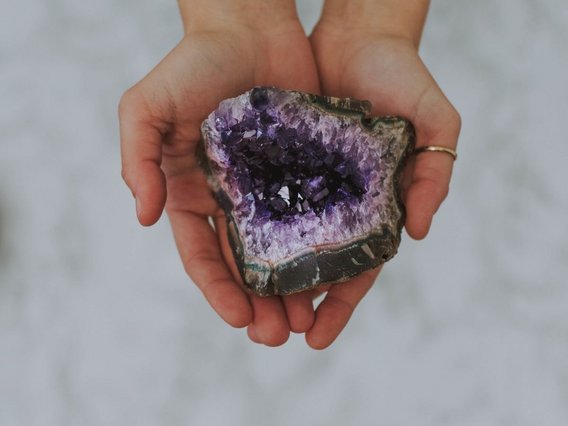
Many stones are associated with mystical and energetic properties, such as protection, healing, and prosperity. Amethyst, for example, is considered a stone that promotes emotional and spiritual balance, while rose quartz is associated with love and harmony.

One of the major challenges in the gemstone sector in Brazil is the regulation and sustainability of mining activities. A large part of the extraction is still done in an artisanal or garimpeira manner, often without environmental licensing or adequate labor guaranties.
In recent years, initiatives such as the CRAFT Code (for responsible artisanal production), Fairmined certification, and sustainable geological mapping projects have been promoting good practices in the sector. These actions aim to:
The professionalization and regulation of this chain are fundamental to attracting investments and expanding Brazil's insertion into increasingly demanding international markets regarding the origin of mineral resources.

Another interesting aspect of the role of Brazilian gems is their tourist appeal. Cities like Ametista do Sul (RS), Governador Valadares (MG), and Teófilo Otoni (MG) develop geological and mineral tourism itineraries, which include:
These experiences promote geological education, stimulate the creative economy, and contribute to the appreciation of local identity.
Despite its enormous potential, the Brazilian gemstone sector faces significant obstacles:
On the other hand, there are promising opportunities, such as:

The training of qualified labor is essential for the strengthening of the sector. In Brazil, there are technical and higher education courses focused on gemology, geology, and jewelry design, as well as research centers and specialized laboratories, such as CETEM (Mineral Technology Center) and the Federal Institute of Education of Teófilo Otoni.
Investing in training is an important step to add value to national production, foster innovation, and elevate the country's competitiveness in the global market.
Brazilian gems are much more than precious stones. They represent a vital part of our history, drive the economy of dozens of cities, inspire artists and designers, enchant the world with their beauty, and carry narratives about identity, territory, and potential.
Valuing them sustainably, with respect for the communities involved, the environment, and the demands of the global market, is a way to strengthen one of Brazil's most promising sectors – both now and in the future.